
Top Waterproofing Products for Reliable Protection
Discover the leading waterproofing solutions designed to safeguard your property from moisture and water damage effectively.
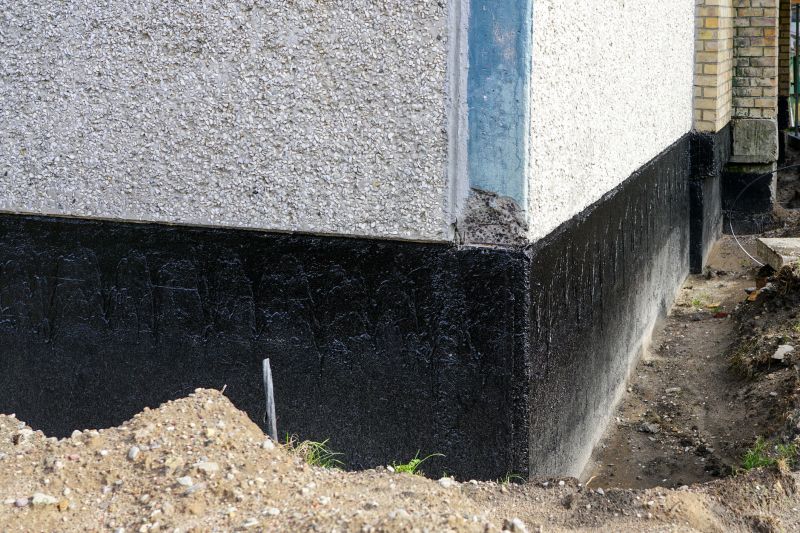 Waterproofing products are essential for protecting structures, foundations, and surfaces from water intrusion and damage. These products come in various forms, tailored to different applications such as basements, roofs, walls, and outdoor surfaces. Proper selection and application of waterproofing materials can help prevent issues like mold growth, structural deterioration, and water seepage, ensuring the longevity and integrity of buildings and surfaces. In Richmond, Indiana, where seasonal weather variations can lead to moisture challenges, choosing the right waterproofing solutions is particularly important.
Top Overall Option
Liquid Waterproofing Membrane
A versatile liquid membrane offers seamless protection for various surfaces, conforming to complex shapes and providing a durable, flexible barrier against water infiltration. It is suitable for foundations, roofs, and walls, making it a popular choice for comprehensive waterproofing solutions. Proper application ensures a continuous, waterproof layer that can adapt to surface movements and temperature changes, helping to maintain structural integrity over time.
Types of Products For Waterproofings
Liquid Waterproofing Membranes
Seamless, flexible coatings that conform to surfaces, ideal for foundations, roofs, and walls.
Bituminous Coatings
Asphalt-based coatings providing durable water barriers for below-grade applications.
Rubberized Membranes
Flexible rubber sheets used for roof and basement waterproofing.
Polyurethane Sealants
High-adhesion sealants for joints, cracks, and gaps exposed to water.
Acrylic Waterproof Coatings
Water-resistant paints that provide a protective layer on exterior surfaces.
Asphalt Roll Roofing
Self-adhesive or torch-applied membranes for flat roof waterproofing.
Cementitious Waterproofing
Waterproof cement-based coatings suitable for basements and tunnels.
Bitumen Sheets
Self-adhesive or torch-down sheets for foundation and roof waterproofing.
Spray-On Waterproof Coatings
Sprayed liquid membranes that form a seamless waterproof layer.
Waterproofing Paints
Specialized paints designed to resist water penetration on exterior surfaces.
Epoxy Waterproof Coatings
Durable coatings used for concrete surfaces requiring high water resistance.
Hydrophobic Sealants
Sealants that repel water and prevent absorption into porous materials.
Foam Sealants
Expanding foam used to fill gaps and prevent water ingress.
Flexible Flashing Membranes
Materials used around windows, doors, and penetrations to prevent leaks.
Drainage Boards
Protective layers that facilitate water drainage away from foundations.
Waterproofing Tapes
Self-adhesive tapes for sealing joints and cracks in waterproofing systems.
Popular Choices
Widely used for their seamless application and adaptability to various surfaces.
Commonly selected for their durability in below-grade waterproofing.
Favored for roof and basement waterproofing due to their flexibility.
Popular for sealing joints and cracks exposed to water or moisture.
Often chosen for exterior wall protection and roof surfaces.
A common choice for flat roofs requiring durable waterproof layers.
Preferred for basement walls and underground structures.
Convenient for quick installation and reliable waterproofing.
Chosen for their seamless coverage and ease of application.
A popular surface treatment for exterior walls and roofs.
Valued for high-performance concrete sealing in water-prone areas.
Effective for porous materials like stone and brick.
Often used for filling gaps and preventing water leaks.
Many waterproofing products are designed for specific purposes, including liquid membranes, sealants, coatings, and membranes. Liquid waterproofing membranes are popular for their seamless application and ability to conform to complex shapes. Sealants and caulks are useful for filling gaps and joints, providing flexible barriers against water. Coatings and paints offer an extra layer of protection on surfaces like roofs and exterior walls. Membranes, often made from rubber or asphalt, are typically used for foundational or below-grade waterproofing. Understanding the differences and proper applications of these products can help homeowners and contractors select the most suitable options for their projects.
Applying waterproofing products correctly is crucial for achieving optimal results. Surface preparation, including cleaning and drying, often determines the effectiveness of the waterproofing layer. Multiple coats or layers may be necessary for certain products, and curing times should be respected to ensure durability. It's also important to consider the compatibility of different waterproofing materials with existing surfaces and materials. Regular inspection and maintenance can help detect early signs of failure and extend the lifespan of waterproofing measures. Consulting with local suppliers or professionals in Richmond, IN, can provide additional insights tailored to the regional climate and building codes.
Key Buying Considerations
- Identify the specific application surface and environment to choose appropriate waterproofing products.
- Consider the compatibility of the waterproofing material with existing surfaces and materials.
- Evaluate the product's flexibility and ability to accommodate surface movements.
- Check the waterproofing product's resistance to UV rays if exposed to sunlight.
- Determine the required thickness or coverage area for your project.
- Review curing time and application conditions to ensure proper installation.
- Assess the product's adhesion properties and suitability for the surface type.
- Consider whether a seamless or sheet-based system is preferred for your application.
- Look into the product's resistance to temperature fluctuations and weather conditions.
- Ensure the waterproofing solution complies with local building codes and standards.
- Evaluate ease of application, especially if DIY installation is planned.
- Review maintenance requirements and long-term durability expectations.
- Consider the need for additional protective layers or coatings.
- Identify whether the product is suitable for below-grade, above-grade, or both applications.
- Check for availability of professional support or technical assistance if needed.